
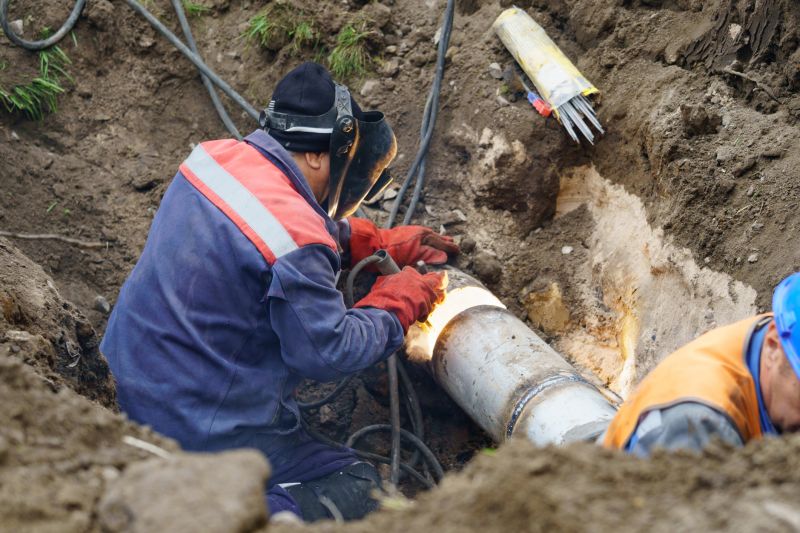
Underground Pipe Installation in Denver, CO
Underground pipe installation services involve placing essential piping systems beneath the surface of a property to support various utilities such as water supply, drainage, sewage, and irrigation. These projects typically include installing new pipes for residential plumbing systems, replacing aging or damaged underground lines, or extending existing piping networks to accommodate property upgrades or landscaping changes. Property owners should understand the scope of the work, including the types of pipes used, the depth at which pipes are installed, and any necessary permits or inspections required for underground utility work.
Before requesting underground pipe installation, property owners often want to know about the planning process, potential disruptions, and the importance of proper trenching and backfilling techniques. Clarifying the project's impact on landscaping, driveways, or existing structures can help ensure smooth execution. Additionally, understanding how underground pipe systems are connected to existing infrastructure and the materials used can aid in making informed decisions about the longevity and maintenance of the installed piping.
Many property owners in Denver, CO look into Underground Pipe Installation for repairs, replacements, upgrades, and appearance-related improvements.
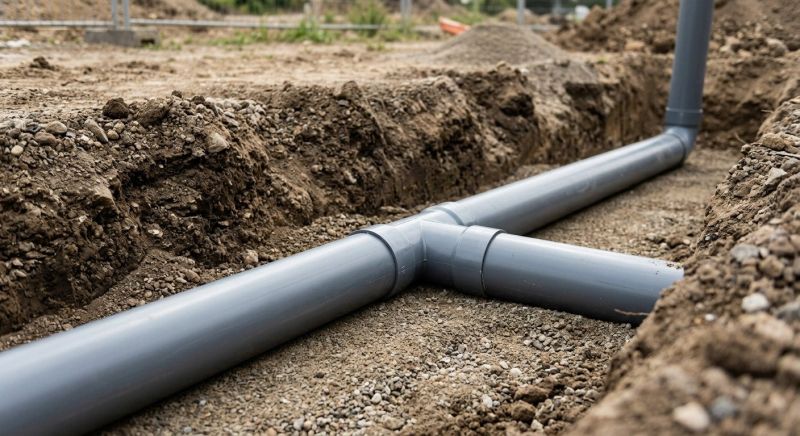
Underground Pipe Installation Basics
Proper installation ensures reliable water, sewer, and drainage systems for residential and commercial properties.
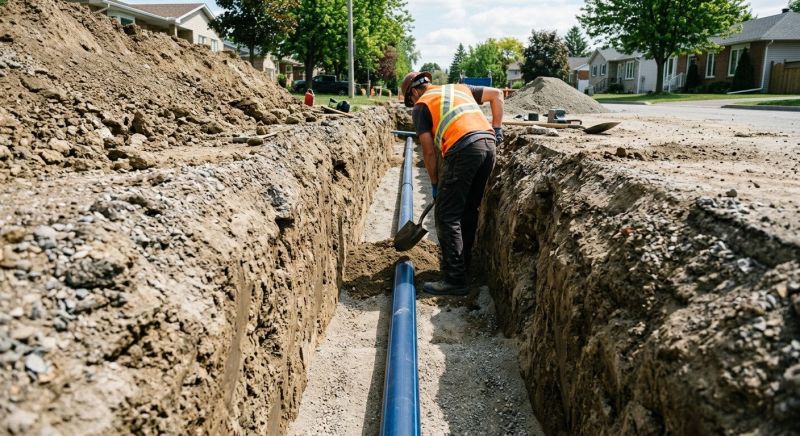
Common Projects And Applications
Underground pipes are essential for new construction, property upgrades, and repair work in denver and surrounding areas.
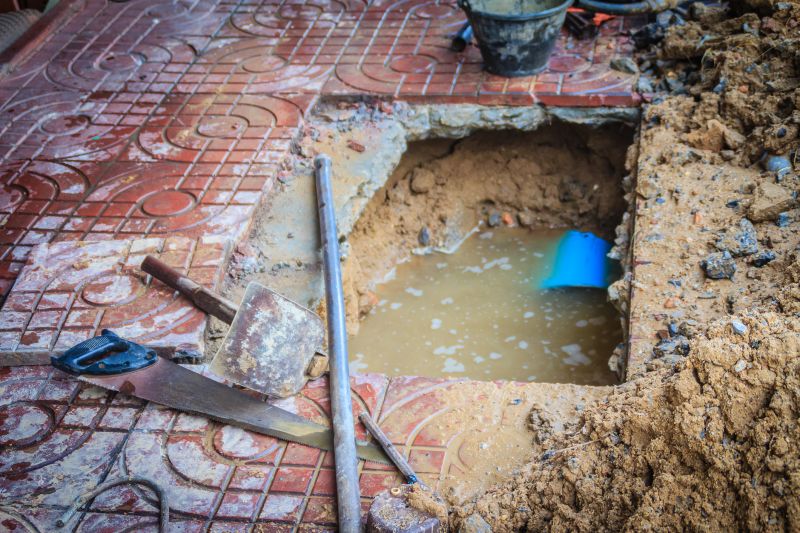
Key Considerations For Property Owners
Understanding pipe materials, depth requirements, and local regulations helps ensure a successful installation process.
Underground Pipe Installation in Denver, CO

Underground pipe installation services involve placing essential piping systems beneath the surface of a property to support various utilities such as water supply, drainage, sewage, and irrigation. These projects typically include installing new pipes for residential plumbing systems, replacing aging or damaged underground lines, or extending existing piping networks to accommodate property upgrades or landscaping changes. Property owners should understand the scope of the work, including the types of pipes used, the depth at which pipes are installed, and any necessary permits or inspections required for underground utility work.
Before requesting underground pipe installation, property owners often want to know about the planning process, potential disruptions, and the importance of proper trenching and backfilling techniques. Clarifying the project's impact on landscaping, driveways, or existing structures can help ensure smooth execution. Additionally, understanding how underground pipe systems are connected to existing infrastructure and the materials used can aid in making informed decisions about the longevity and maintenance of the installed piping.
Many property owners in Denver, CO look into Underground Pipe Installation for repairs, replacements, upgrades, and appearance-related improvements.
Common Underground Pipe Installation Jobs
Underground water line installation - ensures reliable delivery of water to residential properties.
Drainage pipe installation - prevents water buildup and protects foundations.
Septic system piping - connects septic tanks with underground drain fields.
Gas line piping - provides safe underground routing for natural gas services.
Irrigation system piping - supports efficient watering for lawns and gardens.
Utility conduit installation - facilitates underground routing of electrical and communication lines.
Underground Pipe Installation Questions
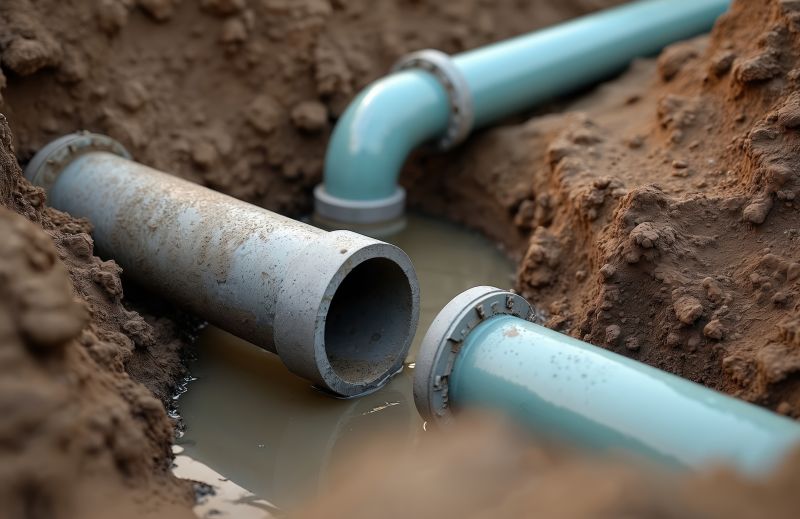
What types of pipes are installed underground? Common options include PVC, ABS, and metal pipes, suitable for water, sewer, and drainage systems.
Is underground pipe installation disruptive to property? Proper planning minimizes surface disruption, with most work completed with limited surface disturbance.
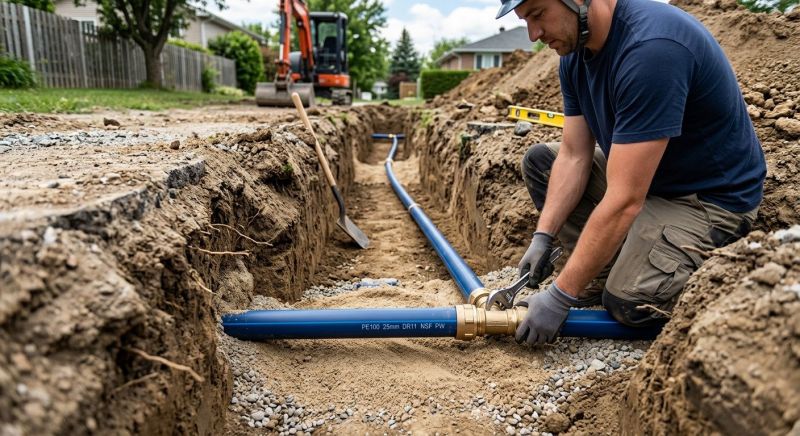
What should property owners know before installation? It's important to ensure proper trenching, avoid existing underground utilities, and follow local codes.
How long does underground pipe installation typically take? The duration varies based on project size and complexity, but generally, it can range from a few hours to several days.
Request Underground Pipe Installation in Denver, CO
Use the quote form on this page to share the basics of your project and request more information for the type of work you need.